Native Tongue Game Calls
🔥 FREE SHIPPING ORDERS OVER $60 🔥
THIS WEEKEND
No Code Needed

Essential Tips for Caring for Your Calls So They Last for Years
GEAR & EQUIPMENTSEASON PREPTRADITION
8/7/20252 min read
How To Take Care of Your Calls So They Last for Years
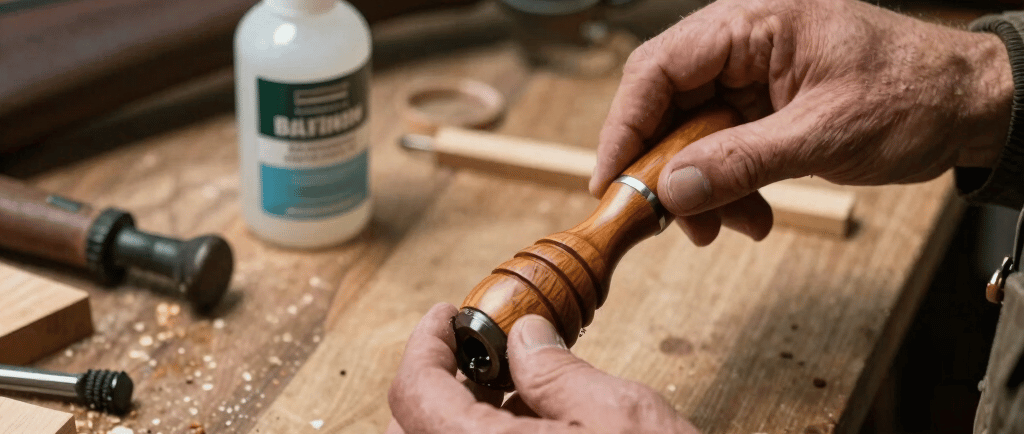
Billy puts a lot of work into every call that leaves his shop. The last thing he wants is for a guy to ruin a good call because nobody told him how to take care of it. So here it is straight.
Wooden turkey calls aren’t throwaway gear. They’re hand-built tools that earn their keep in the woods — season after season, hunt after hunt. Most problems don’t come from use — they come from neglect, moisture, and bad storage habits. Wood, friction surfaces, and real-world weather all need a little attention if you want a call to stay right. Nothing complicated. Just the kind of simple care old hunters learn the hard way.
Moisture Will Change a Call Fast
Rain, humidity, wet vest pockets, cold mornings — wood and reeds don’t care what season it is. They react.
A box call can swell. A pot call can lose bite. A duck or deer call can sound dull or off without warning.
Simple fix: keep a dry bag or sleeve in your vest. Not for comfort — for protection. If it’s wet, don’t leave it sitting in gear.
Box Calls Run on Clean Friction
A box call only works if the lid and rails are right. Chalk is what keeps that friction alive.
It wears off fast in wet or heavy use conditions. A quick re-chalk with carpenter’s chalk brings it right back.
Don’t overcomplicate it. Just keep it working.
One rule that matters: rosin does not go on box calls. It belongs on pot calls and strikers. Mixing them changes how the call behaves.
Pot Calls Need Controlled Surface Care
Slate, glass, and aluminum pot calls all depend on a clean, conditioned surface.
Use a green scratch pad. Light pressure, small circles. You’re not grinding it down — you’re restoring contact.
If a striker starts slipping or squeaking, a light pass with fine sandpaper brings it back into spec. That’s maintenance, not repair.
Mouth Calls Wear From Use, Not Age
Mouth calls fail from buildup and bad storage, not just time.
Keep them flat, not bent or crushed
Let them dry after hunts
Rinse lightly when saliva buildup changes tone
Rotate calls instead of running one into the ground
They’re small, but they’re sensitive. Treat them like it.
Deer and Predator Calls Need Clean Airflow
Grunt calls and predator calls are simple systems — but dirt, moisture, and buildup inside will change everything.
Don’t let them roll around loose in dirty gear. Don’t store them wet. Make sure air can move cleanly through them every time you pick them up.
If they sound off, it’s usually buildup — not “wear out.”
Duck Calls Take the Hardest Abuse
Duck calls live in the worst conditions — cold air, mud, constant moisture, heavy use.
Break them down when you can. Dry them after wet hunts. Keep reed channels and tone boards clean.
A dirty duck call doesn’t just sound bad — it stops sounding like a duck.
Don’t Store Problems Into Them
Across every call type, the same rule holds: don’t store them wet, don’t trap moisture, and don’t forget them in sealed gear. Let them dry. Let them breathe. Keep them ready. Take care of your gear and your gear takes care of you. Billy's calls are built to last— simple, solid, and meant to be hunted hard — but a little maintenance goes a long way. Check them out at www.NativeTongueGameCalls.com
