Native Tongue Game Calls
🔥 FREE SHIPPING ORDERS OVER $60 🔥
THIS WEEKEND
No Code Needed

The Best Time of Day to Call Turkeys: Secrets Every Hunter Should Know
4/11/20252 min read
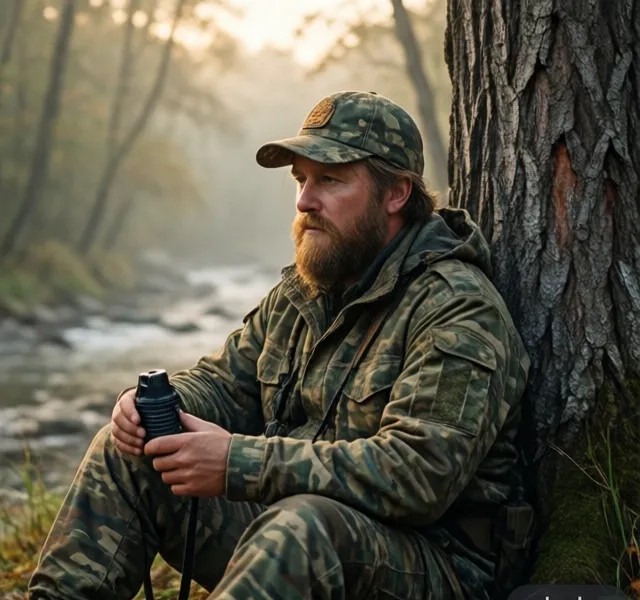
The Best Time of Day to Call Turkeys — No Shortcuts, Just Results
Turkey hunting is as much about timing as it is about calling. Know the wrong window, run the wrong call, and even a fired-up gobbler walks the other way. Billy's spent decades learning these patterns — when birds are killable, when they're not, and exactly what to do during each window of the day to put a tom on the ground.
First Light — Read Before You Call
Get set up 30–45 minutes before fly-down. This isn't just about being early — it's your diagnostic window. Before you make a single sound, listen. A shock gobble tells you where a bird is roosted. A responsive gobble to your tree yelp tells you what he's willing to do. Those are completely different situations.
Roosted birds surrounded by hens won't break no matter how good your calling is. When hens are loud and fired up, back off and mirror their cadence. Let him pitch down undecided, then work him. Cutting hard at a henned-up bird pushes hens away from you — and gobblers follow hens.
The Fly-Down — Don't Blow It Here
Fly-down is the moment most hunters over-call and lose the bird. Wings hit the ground, hens start moving, and the temptation is to get aggressive. Don't. Watch which direction hens take him. If he follows them off, stay put and stay quiet. Chasing a tom with hens is how you log miles and go home empty. Let them clear out. Your window is coming.
Mid-Morning — The Shift
This is the most underrated window in turkey hunting. Once hens break off to nest — usually between 9 and 11am — everything changes. That's the shift. A longbeard alone at 10am is actively covering ground looking for a late hookup. His hens are gone, his testosterone is high, and a simple yelp series with a long wait will often close the deal faster than anything you threw at him at sunrise. One series, then silence. Let him think you're walking away.
Midday — Whisper at Them
Purrs and clucks work midday because they signal contentment, not urgency. Aggressive calling creates social mismatch and hangs birds up. Soft purrs mimic relaxed, close birds — they trigger curiosity. Extend your wait times to 10–15 minutes between sequences and watch for birds that appear silently. Midday birds rarely gobble on the approach.
Afternoon — Hunt the Roost
Set up 75–100 yards off the roost on the downwind side — birds stage into roost areas downwind and will smell danger before committing. Soft yelps, long pauses. If a bird hangs at 80 yards in the afternoon, he's already where he wants to be. One subtle cluck can close that gap when nothing else will.
Any hour in the woods with a call that sounds real gives you a chance. The call Billy ran all morning? Handmade slate pot call — tuned, seasoned, and built to sound like the real thing.
Shop Billy's handmade calls at www.NativeTongueGameCalls.com
